India convened the meeting titled Influenza Chintan Shivir from 22–23 December 2025, bringing together key national ministries, scientific institutions, and partners in a hybrid format to strengthen interministerial and intersectoral convergence for influenza preparedness, surveillance, and response.
The two-day meeting underscored influenza as an ongoing public health threat and a critical entry point for strengthening national and regional health security.
Organized by the National Centre for Disease Control (NCDC), in technical collaboration with the World Health Organization (WHO), the Indian Council of Medical Research (ICMR), and allied ministries, the Chintan Shivir served as a strategic platform to align human, animal, and environmental health sectors under the One Health approach for strengthened preparedness and response to influenza as a public health threat.
The Influenza Chintan Shivir commenced with a high‑level inaugural session led by prominent national and international public health authorities. The programme featured a Welcome Address by Prof. (Dr.) Ranjan Das, Director, NCDC, followed by Opening Remarks from Dr. Sunita Sharma, Director General of Health Services (DGHS), both of whom underscored the importance of strengthening influenza preparedness as a national priority.
Ms. Payden, Acting WHO Representative to India and WHO Representative to Maldives, reaffirmed WHO’s commitment to supporting India’s influenza surveillance and preparedness efforts through the Global Influenza Surveillance and Response System(GISRS). Delivering the Keynote Address, Ms. Punya Salila Srivastava, Secretary, Ministry of Health & Family Welfare, emphasized the need for sustained, whole‑of‑government preparedness and strong intersectoral convergence to address seasonal, zoonotic, and pandemic influenza threats.
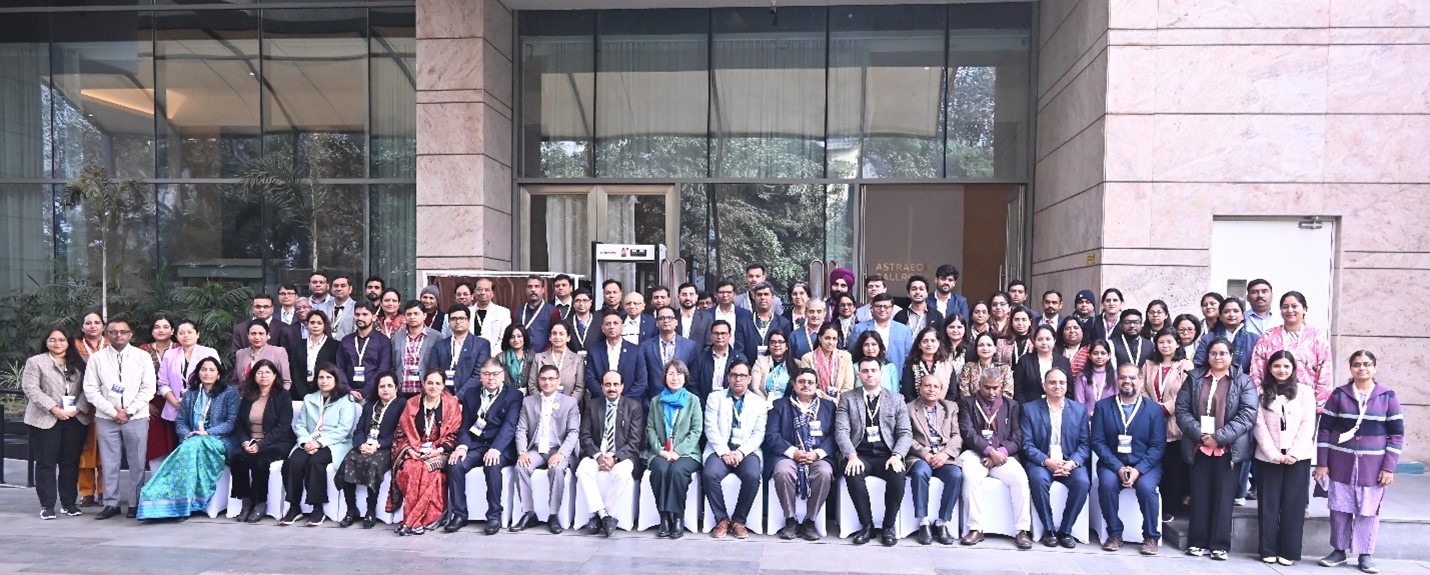
Participants of the Influenza Chintan Shivir 2025 (Photo: MoH&FW, India)
The technical sessions commenced by underscoring influenza as a persistent global public health threat, with particular emphasis on risk assessment at the global, regional, and national levels. WHO provided comprehensive updates, including a global influenza and pandemic preparedness overview delivered virtually by Dr. Aspen Hammond from the WHO Global Influenza Programme (GIP).
Her presentation highlighted the long‑standing and critical role of the Global Influenza Surveillance and Response System (GISRS), operational since 1952 , as a trusted global mechanism supporting surveillance, preparedness, risk assessment, and response for seasonal, zoonotic, and pandemic influenza.
Mr. Haytham Saber, Technical Officer – National Influenza Networks, emphasized the central role of influenza in strengthening regional health security and overall system resilience. His presentation highlighted the continuous influenza activity across the WHO South‑East Asia Region, marked by sustained transmission and periodic peaks throughout the year. This pattern reinforces that influenza remains a recurring and persistent stressor on regional health systems, rather than a strictly seasonal phenomenon.
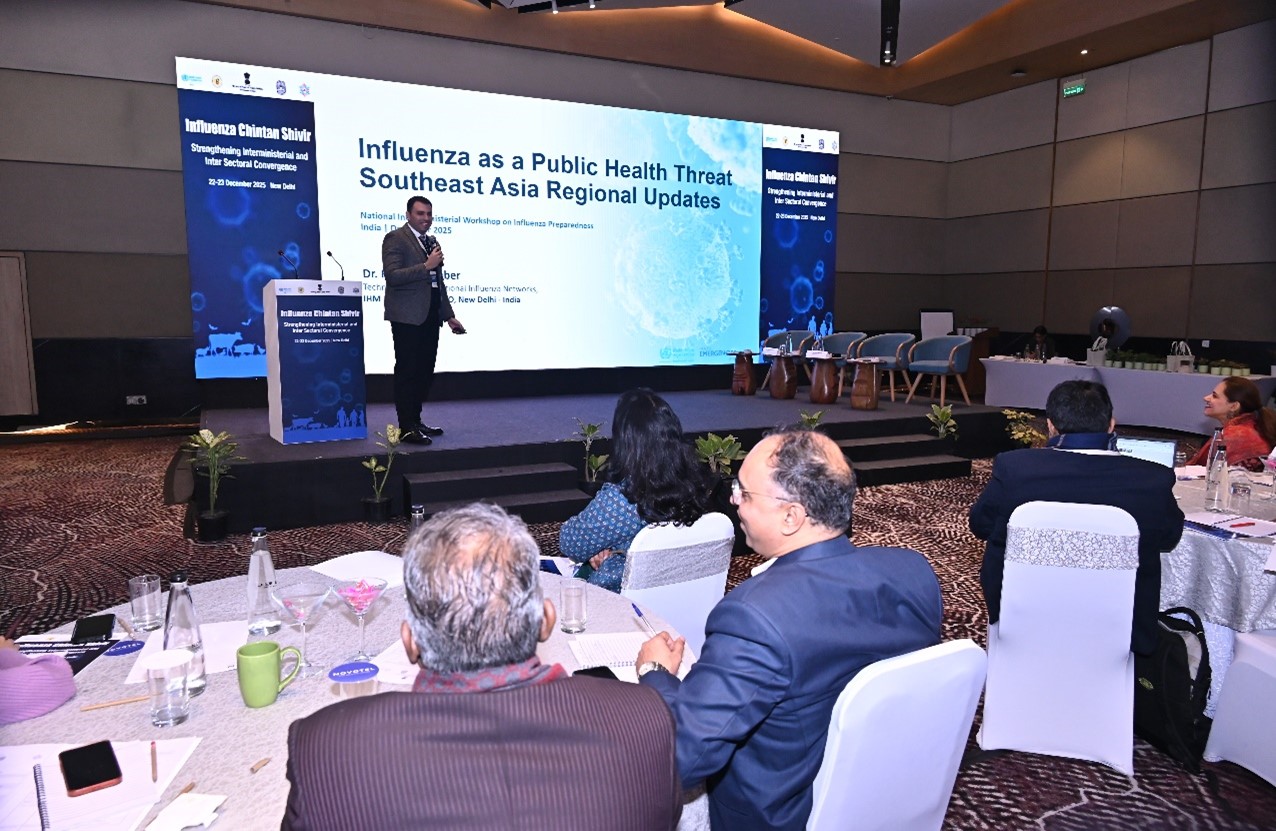
As part of the global and regional updates, WHO presented influenza as a significant public health threat in the South‑East Asia Region (Photo: MoH&FW, India)
Drawing on surveillance data reported by National Influenza Centres (NICs) to WHO’s FluNet, the update demonstrated how NIC functions, guided by the revised Terms of Reference (TORs), conduct diagnostics, virus characterization, genomic sequencing, and standardized reporting, and how these functions collectively translate surveillance outputs into actionable public health intelligence aligned with IHR (2005) obligations for detection, assessment, and timely notification of influenza .
Key influenza event signals detected in 2025,including circulation of the influenza A(H3N2) sub-clade K and the detection of limited human influenza A(H5) cases in the WHO South‑East Asia Region, were presented as examples of how influenza surveillance enables early risk assessment and informed public health decision‑making.
The session also highlighted the importance of influenza virus sharing with WHO Collaborating Centres, noting both progress made and persisting gaps across the Region. The speaker underscored the significant public health and preparedness value of timely virus sharing for global risk assessment, vaccine strain selection, and pandemic readiness.
The presentation concluded with an overview of SEARO‑coordinated regional actions, including quarterly technical webinars for NICs, joint national and international reviews with WHO Collaborating Centres, and support for participation in global scientific fora. These initiatives reinforce the critical link between regional actions and global influenza preparedness.
Meeting participants actively engaged in the discussions, raising a range of focused and substantive questions relevant to the global and regional influenza landscape. Several participants sought updates and clarifications on virus‑sharing mechanisms, including operational processes under GISRS and recent developments affecting sample sharing, virus characterization, and collaboration with WHO Collaborating Centres.
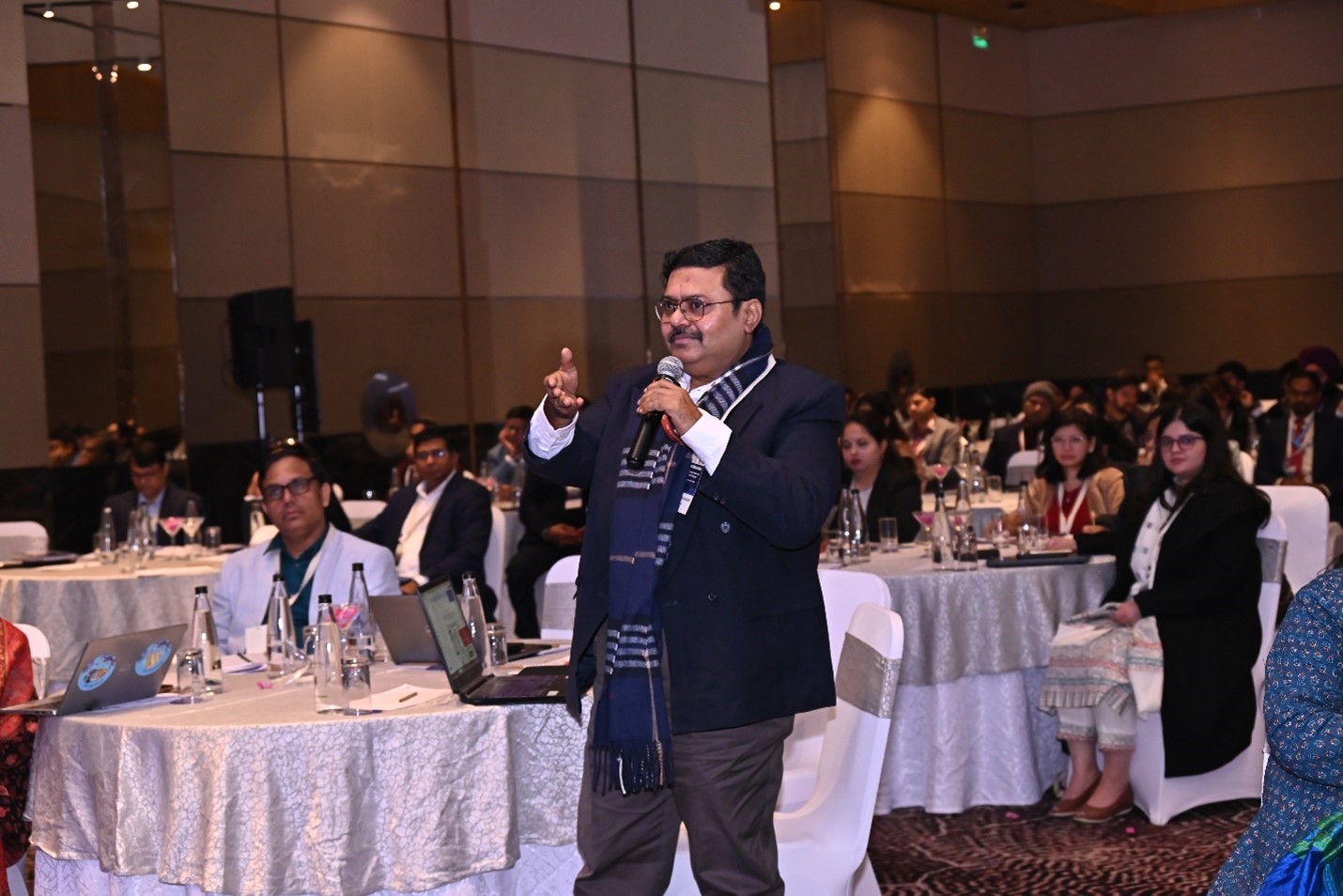
Dr. Pradeep Khasnobis, Deputy Director General, Department of Health & Family Welfare, actively engaged with the speakers on matters related to influenza surveillance, preparedness, and intersectoral coordination. (Photo: MoH&FW, India)
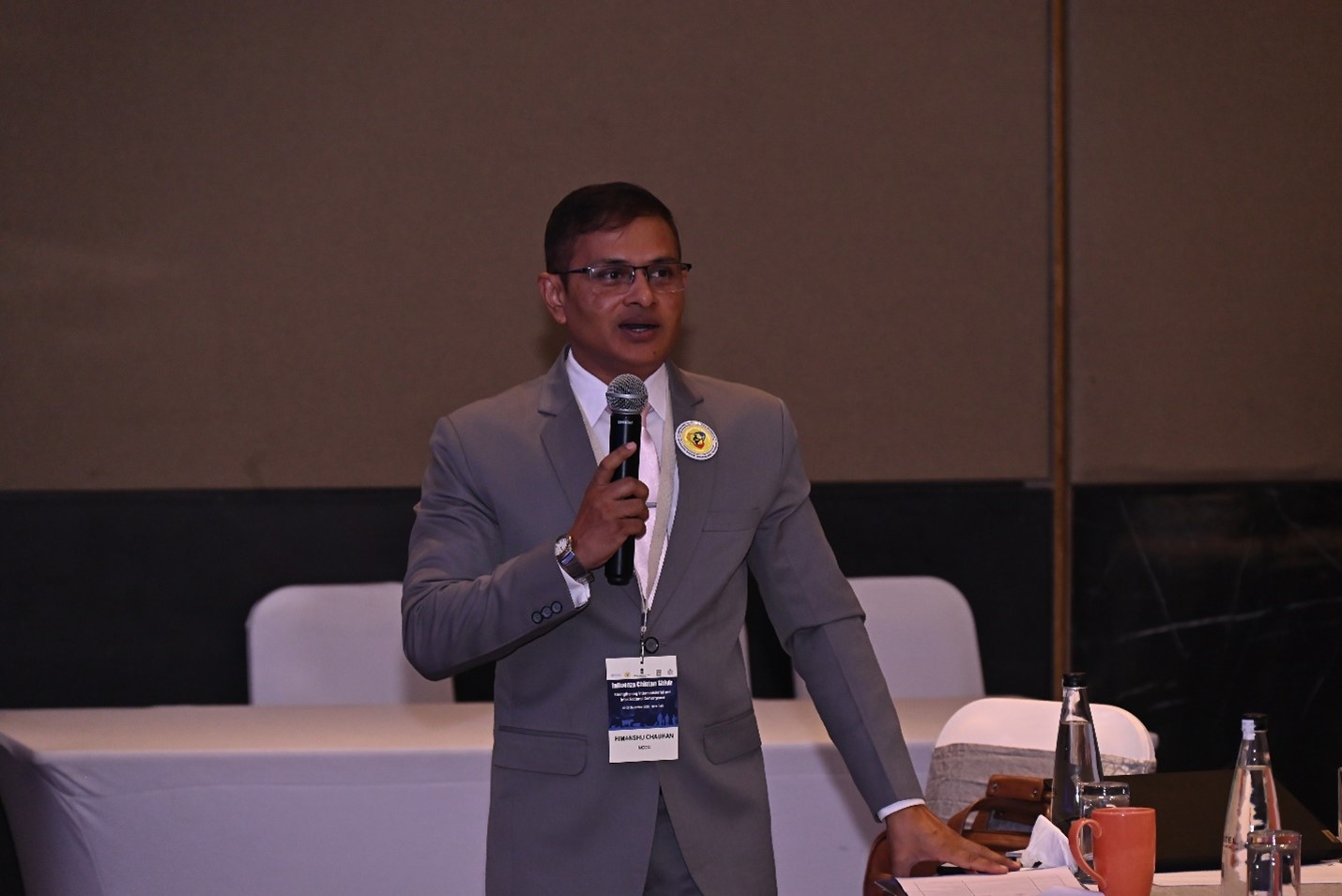
Dr. Himanshu Chauhan, Director & Head, Integrated Disease Surveillance Programme (IDSP), elaborated on the concept of benefit sharing, particularly how virus sharing enables access to global risk assessments, informs vaccine strain selection, and facilitates technical support and scientific collaboration with leading technical agencies and academic institutions. (Photo: MoH&FW, India)

Dr. Sanket Kulkarni, Joint Director, Integrated Disease Surveillance Programme (IDSP), contributed to the technical discussion about the benefits of virus sharing and the importance of access to surveillance data for robust risk assessment and strengthened preparedness for influenza epidemics and pandemics. (Photo: MoH&FW, India)
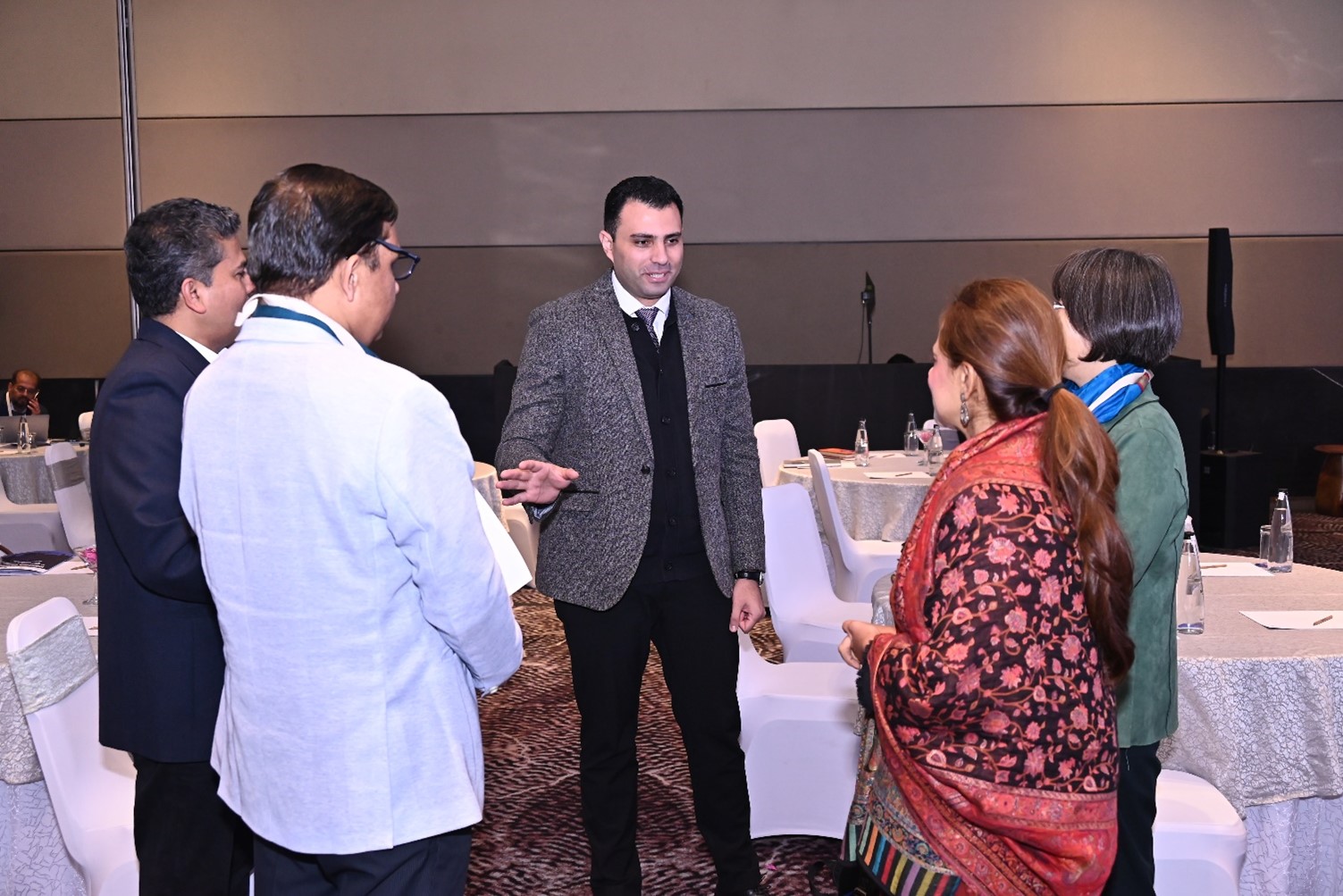
The Influenza Chintan Shivir provided a valuable platform for the Pandemic & Epidemic Management Unit of WHE/SEARO, the WHO Country Office for India, multiple allied ministries, and other stakeholders to initiate a dialogue on strengthening collaboration for enhanced national and regional health security. (Photo: MoH&FW, India)
The meeting concluded with a forward‑looking discussion and closing remarks that emphasized the importance of sustained collaboration, routine preparedness, and institutionalized intersectoral convergence.
Key Takeaways
- Influenza remains a continuous public health risk, necessitating year‑round surveillance, early detection, and preparedness measures.
- Interministerial and intersectoral convergence is critical for effective detection, risk assessment, and coordinated response efforts.
- Strengthening laboratory networks, data sharing, and virus characterization under GISRS significantly enhances both national and global health security.
- Influenza preparedness delivers benefits beyond influenza, reinforcing core public health capacities and contributing to broader epidemic and pandemic readiness.
Looking Ahead
The Influenza Chintan Shivir reaffirmed India’s commitment to a whole‑of‑government and whole‑of‑society approach to influenza preparedness. By leveraging existing systems, strengthening coordination mechanisms, collaborating closely with the WHO‑coordinated GISRS network, and embedding influenza within broader health security frameworks, India continues to advance preparedness for seasonal, zoonotic, and pandemic influenza. These efforts further contribute to strengthened regional and global health security.